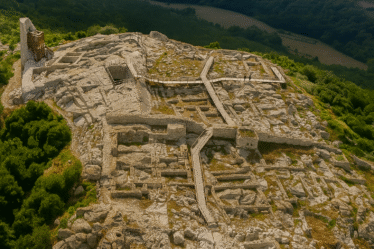
Plovdiv, one of Europe’s oldest continuously inhabited cities, is a treasure trove of historical landmarks and cultural marvels. From ancient ruins to architectural wonders, Plovdiv offers a fascinating journey through time, showcasing its rich heritage and vibrant spirit. Here are 10 must-see landmarks that encapsulate the essence of this enchanting city.
Ancient theater of Philippopolis
Perched on the verdant slopes of Plovdiv’s Old Town, the Ancient Theater of Philippopolis is a masterpiece of Roman engineering and a testament to the city’s illustrious past. Dating back to the 1st century AD, this remarkably well-preserved amphitheater once hosted gladiatorial contests, theatrical performances, and musical concerts. Today, visitors can marvel at its grandeur, soak in the panoramic views of the city, and attend cultural events and performances held within its historic walls.
Old town (Plovdiv’s historic quarter)
Wander through the cobblestone streets of Plovdiv’s Old Town, and you’ll be transported back in time to the city’s medieval past. Lined with beautifully preserved Revival-era houses, charming cafes, and artisan workshops, this picturesque quarter exudes a timeless charm that captivates visitors. Don’t miss landmarks such as the Ethnographic Museum, the Balabanov House, and the Church of St. Constantine and Elena as you explore this architectural gem.
Nebet tepe
For panoramic views of Plovdiv and its surrounding landscape, head to Nebet Tepe, the city’s ancient hilltop fortress. Dating back to antiquity, this archaeological complex offers a glimpse into Plovdiv’s earliest history, with ruins dating back to the Thracian, Roman, and Byzantine periods. Climb to the summit of Nebet Tepe to admire the breathtaking vistas and explore the remnants of ancient fortifications, including walls, towers, and gates.
Roman stadium
Discover Plovdiv’s Roman heritage at the Roman Stadium, an impressive archaeological site located in the heart of the city. Dating back to the 2nd century AD, this ancient sports arena once accommodated up to 30,000 spectators and hosted various athletic competitions and games. Today, visitors can stroll along the excavated remains of the stadium, marvel at its monumental architecture, and imagine the cheers of ancient crowds echoing through the ages.
Kapana district
Immerse yourself in Plovdiv’s vibrant arts and culture scene in the Kapana District, a trendy neighborhood renowned for its artistic flair and bohemian atmosphere. Originally a bustling artisan quarter, Kapana has been transformed into a lively hub for art galleries, craft workshops, boutique shops, and hip cafes. Explore its narrow streets adorned with colorful murals, browse artisanal wares, and soak in the creative energy that permeates every corner of this eclectic district.
Dzhumaya mosque
Experience the architectural splendor of Plovdiv’s Ottoman heritage at the Dzhumaya Mosque, one of the city’s most iconic landmarks. Built in the 14th century, this elegant mosque features a striking blend of Islamic and Byzantine architectural elements, including a majestic dome, intricate minarets, and ornate frescoes. Step inside to admire the mosque’s serene interior, adorned with beautiful calligraphy and decorative motifs, and learn about its fascinating history and significance to the local Muslim community.
Hisar kapia
Step back in time at Hisar Kapia, one of the few remaining gates of Plovdiv’s ancient fortifications. Dating back to the 11th century, this monumental gate served as the main entrance to the city during medieval times, guarding its inhabitants against invaders and marauders. Today, visitors can admire the gate’s imposing towers, fortified walls, and intricate stonework, and imagine the countless generations who have passed through its historic arches.
Regional ethnographic museum
Delve into the rich cultural heritage of Plovdiv and the surrounding region at the Regional Ethnographic Museum, housed in a beautifully restored Revival-era mansion. Featuring a vast collection of artifacts, costumes, and traditional crafts, the museum offers a fascinating insight into the daily life, customs, and traditions of Bulgaria’s diverse ethnic groups. Explore its meticulously curated exhibits, attend folk music and dance performances, and gain a deeper appreciation for the cultural mosaic that defines Plovdiv.
Alyosha monument
Standing tall atop Bunarjik Hill, the Alyosha Monument is a symbol of Plovdiv’s enduring spirit and resilience. Erected in honor of the Soviet soldiers who liberated Bulgaria during World War II, this imposing statue depicts a heroic soldier gazing defiantly into the distance. From its elevated perch, visitors can enjoy panoramic views of Plovdiv and the surrounding countryside, while reflecting on the sacrifices made by those who fought for freedom and peace.
Bachkovo monastery
Just a short drive from Plovdiv lies the majestic Bachkovo Monastery, one of Bulgaria’s oldest and most revered monastic complexes. Founded in the 11th century, this architectural masterpiece features a stunning array of Byzantine, Georgian, and Bulgarian medieval art and architecture. Explore its ornately decorated churches, chapels, and courtyards, marvel at its exquisite frescoes and icons, and soak in the spiritual ambiance of this sacred sanctuary nestled amidst the scenic beauty of the Rhodope Mountains.
Plovdiv’s rich tapestry of history, culture, and architecture is reflected in its diverse array of landmarks and attractions. From ancient ruins to medieval fortifications, Ottoman mosques to Revival-era mansions, each landmark tells a story of Plovdiv’s enduring legacy and timeless allure. Whether exploring its historic sites, admiring its architectural wonders, or immersing oneself in its vibrant cultural scene, a journey through Plovdiv’s must-see landmarks is sure to leave a lasting impression on visitors from near and far.
3.5